Blog

  • Seeing out 2020 in Belgium

    Seeing out 2020 in Belgium

    ❤🇧🇪 It may not be an Iguaçu, a Victoria or a Murchison, but the Belgian waterfall is alive and well. And, in a country with virtually no elevation difference, the very existence of waterfalls is something to be taken note of.

    To be sure, these are not for those who measure waterfalls by cubic metres per second or height of the drop. But for people, like me, who long for the soothing view—and sound—of a gentle stream making its way down a hill, Belgium has just the cure.

    The ‘greatest’ waterfalls in Belgium, the Cascade du Bayehon, lies on the southern slope of the East Belgian highland, near the village of Longfaye.

    Cascade de Bayehon, Longfaye, East-Belgium

    The Internet states that this waterfall has a drop of nine meters. If that is true, my six-year-old son is nearly three meters tall. That would surprise me, but who am I to say.

    In any case, let me not fret about technicalities. It is a waterfall; a unique, adequately sized and impeccably shaped waterfall.

    Second to, below—nor indeed above—any other waterfall.

    This photo concludes my end-of-the-year photo-tribute to Belgium. I have found places here that soothes all my longing for Norwegian nature, and much else besides that is unique to Belgium.

    The eight places I’ve chosen to share, have in some way, shape or form lifted my spirits this year. Through the many interactions I have enjoyed with you, I have learned of more places; places that are sure to contribute to the beauty of life in Belgium in years to come.

    From incoming Christmas and New Year greetings, I notice that many are happy to see the end of 2020. I, too, am glad to cast off this year’s shackles, but not to throw out the good with the evil.

    This year’s extraordinary circumstances gave me the ‘push’ I needed to explore attractions closer to home, and I have found these to be many and bountiful. My eyes have been opened to a wealth of beauty, formerly hidden from me by my ignorance, and for that, I shall be eternally grateful.

    So, goodbye, 2020, I shall remember you. Hello, 2021, I hope you bring good things with you.

    Scenes to remember Belgium in 2020 by as 2021 stands on the doorstep
  • The polarized views on the Belgian Coast

    The polarized views on the Belgian Coast

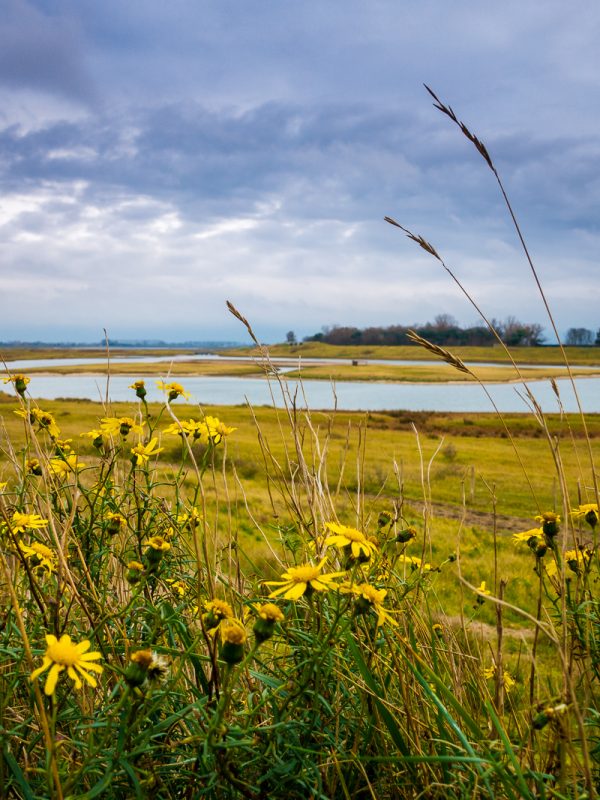
    My first meeting with the Belgian coast was the Zwin.

    Many years ago, I was bicycling from the Netherlands, and after a long succession of dikes, polders and sea-walls, the broad tidal marsh of the Zwin announced that I had, at last, entered Belgium.

    Save grumblings about its unfortunate proximity to Knokke; I have not yet come across anybody who has anything negative to say about the Zwin.

    The Belgians seem to hold distinctly polarized views on Knokke-Heist, though.

    Some close their eyes and reminiscence over Champagne, oysters and foie-gras; others put their fingers in their mouths, indicating that they’d sooner be found dead in a ditch, covered in their own vomit, than being seen out and about in Knokke.

    The same people tend to hold opposing views on the rest of the Belgian riviera, too. The exceptions to this rule are De Panne that neither faction seems to mind, and Ostende, for which both parties reserve a good deal of colourful, if not wholly positive adjectives.

    To me, ALL the cities on the Belgian coast are, eh, how can I put it charitably? Yes, I’ve got it: places that show an exquisite and unparalleled potential for aesthetic improvement.

    I observe that the proliferation of art galleries and official Rolex vendors is greater in Knokke than in, say, Ostende. But, once I find myself ‘parked in’, it matters little to me whether it is by a self-entitled Porsche or an apologetic-looking Fiat; I’m still stuck.

    In this matter, my Belgian friends are divided.

    But my mission, this week, is not to point out the petty foibles of the Belgians. Instead, I wish to celebrate the virtues of the Belgian coast.

    And, what is excellent about the Belgian coast is the Belgians and their beach huts.

    These huts may be second nature to Belgians; to a Norwegian, however, the rituals connected with these sheds are as exotic to behold as the wildebeest migration in the Serengeti.

    The last light of the day hitting the dunes near the Zwin

    Well into his sunset years, the Belgian can be found on his own, in front of his beach hut, spade in hand, digging away to his heart’s content for no apparent reason whatsoever.

    All things considered, what could be greater than that?

  • Feudal in the 21st Century

    Feudal in the 21st Century

    The ‘castle’ is a prominent feature of the Belgian countryside, albeit perhaps more appropriately described as cultural rather than natural.

    It is a sad thing about democracies that their buildings do so little to lift the human spirit. Intuitive beauty, the sort of beauty that doesn’t need to be explained to be recognised, is more commonly associated with more malignant forms of government.

    Now, the Kingdom of Belgium is governed in as benign a way as any constitutional monarchy can be. But, like the British, and unlike the Norwegian, Belgians still maintains a sizeable nobility of some 1300 families.

    Rather pleasingly, it is possible, for people suffering from delusions of grandeur, to request a title of nobility by written application to the King. Though, unless applicants have any notable accomplishment to their name, or in some way or other have made themselves useful to the Kingdom, chances of getting one are slim.

    Still, a pathway is a pathway—and hope is the last to die.

    Though devoid of privilege these days, one still expects certain things from one’s nobility, including, but not limited to, an ancestral castle.

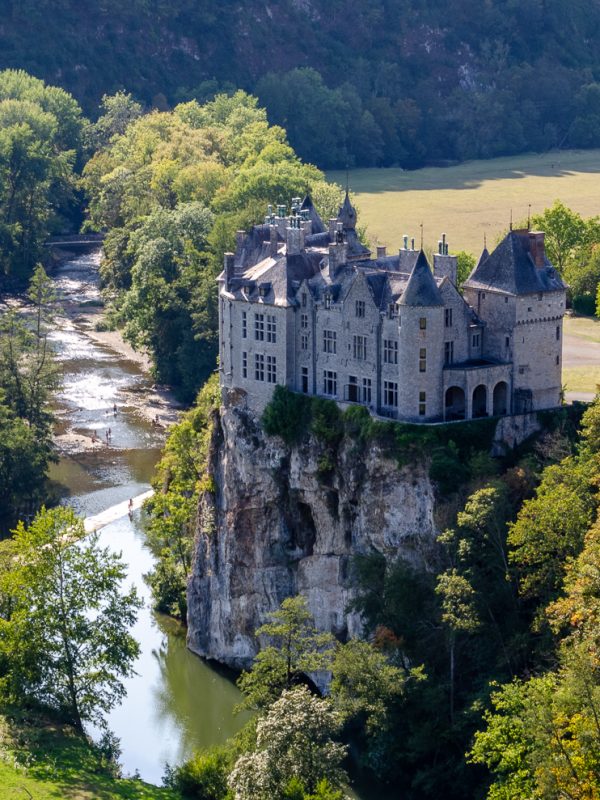
    Chateau de Walzin seen from the hill to the south-east

    While immensely beautiful, castles are also wildly impractical; something as simple as heating might easily lead to financial ruin. And, neither freezing nor bankruptcy would summon much sympathy amongst the general populace.

    Norway abolished most things to do with nobility and stopped conferring new titles in 1821. The country has pursued a line of strict egalitarianism ever since. This has led Norwegians to hold deeply suspicious beliefs on inherited privilege.

    On paper, there are indeed a few noble families left, even in Norway. But, should any of them suggest that they be addressed by their proper titles, they would instantly become a national laughingstock.

    My favourite Belgian castle is the Chateau de Walzin, set on a cliff above the Lesse river, south of Dinant.

    Despite my Norwegianness, I am a guest in Belgium, and most grateful to the House of Limburg-Stirum for maintaining this exceptional piece of heritage. And, also for not setting loose their dogs on impudent Norwegians who roam in nearby forests.

  • The bluebells of the Halle Forest

    The bluebells of the Halle Forest

    In a week of celebrating Belgian nature, it would border on criminal neglect to omit the Belgian forests.

    I like forests as much as the next person. Notwithstanding, I suffer from an abiding inability to distinguish one forest from another. The ‘real’ Belgian forest lover, on the other hand, suffers no such weakness of the spirit or feebleness of the mind.

    He gladly drives 300 km to walk in a different forest every weekend. To his mind, it is a unique forest; to mine, one that looks the identical twin of the one behind his house.

    I do not pass judgement, or at least I shouldn’t. Similar behavioural disorders flourish among Norwegians, too. However, with us, it is more often near-identical mountain-tops instead of doppelgänger forests.

    As I have tried to immerse myself in the Belgian nature enthusiast’s mindset, I have started to take greater pleasure from the forest.

    My eyes, formerly accustomed to, and therefore, expecting crude topography has in time become more sympathetic to the subtle beauty of the forest; the forest floor; the underbrush; the canopies—and the continually changing interplay of light and shadow.

    Living on Brussels’ southern fringe, my ‘goto’ forest has become the Sonian Wood.

    True connoisseurs of arboreal recreation, may find this forest too urbane for their discerning tastes. But… there is something to be said for a large forest, within cycling distance of a capital city.

    That the Belgians mainly have managed to keep this forest free of the ever-expanding footprint of ‘progress’ does them great credit. Elsewhere this would quickly have fallen victim to urban sprawl.

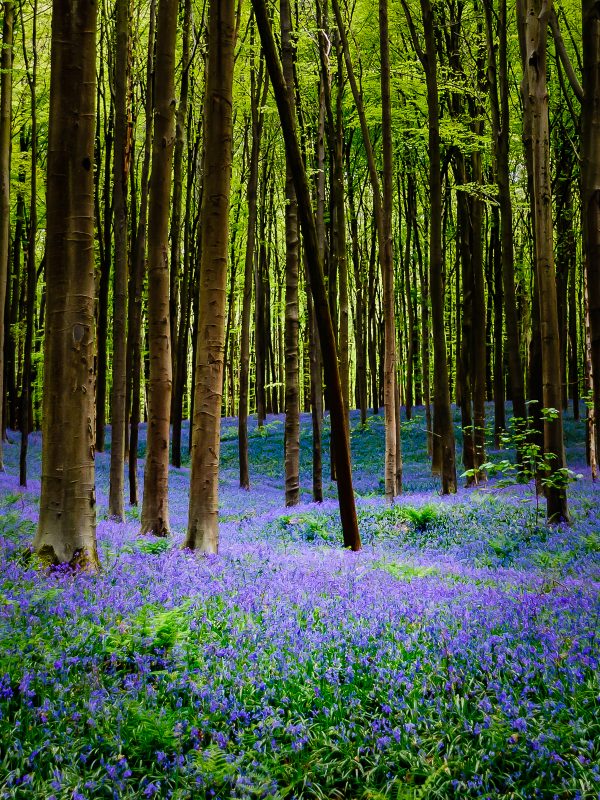
    One Belgian forest that not even the most ardent defender of orthodox forest walks can find fault with, regardless of its proximity to Brussels, is the Hallerbos.

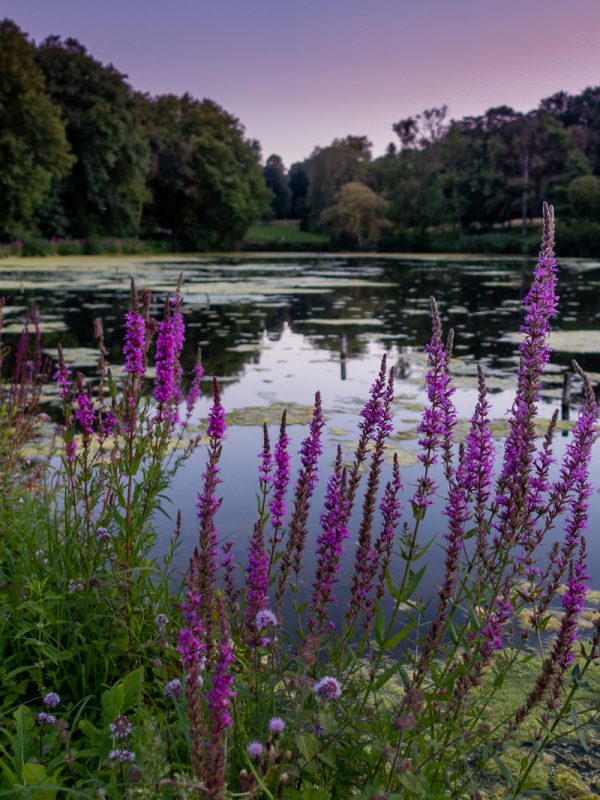
    For a brief time about the middle of April, this forest comes alive with purple and bright green.

    Due to the restrictions on movement, I could not stray here during the flowering season this year, but I place my faith in what will hopefully be a more liberal 2021.

  • The High Fens of East Belgium

    The High Fens of East Belgium

    Today, I am directing my attention to the High Fens, in what is, without doubt, one of Belgium’s most beautiful parts: German-speaking Ostbelgien.

    None of its names, neither in German (Hohes Venn), French (Hautes Fagnes), Dutch (Hoge Venen) or English (High Fens) conjure up images of anything recognizable.

    The first part—’tall’ or ‘high’—seemed promising enough. The second—’fens’—had as of yet not come up in conversation during the first 46 years of my existence. However, having consulted Wikipedia, my hopes of having discovered unknown alpine Belgium were shattered.

    Though the highest point reaches a semi-respectable 693 meters, the slopes are gentle and the pinnacles and precipices notably absent. It is, in short, a highland plateau.

    A fen, it turns out, is a type wetland. To rub my nose in my education’s many diverse deficiencies, Wikipedia added that it is one of the MAIN types. My botany professor would likely have shed a tear over the carcass of my ineptitude.

    As it was, I decided to lay the blame for my shortcomings at the feet of linguistics. After all, it must be conceded that ‘minerotrof myr’, as it is named in Norwegian, is moderately different from ‘fen’.

    But I digress…

    A highland was something.

    Upon reflection, a highland was indeed QUITE something.

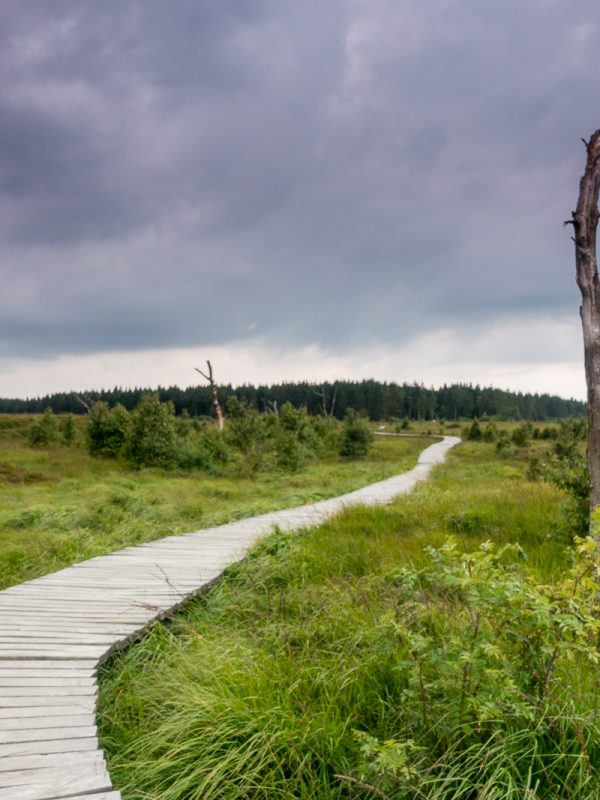
    The picturesque boardwalks of the High Fens

    Walking in Belgium, you see, is mostly a question of forests. Now, forests are indisputably beautiful. But for heathens like me, who grew up thinking of forests as nothing more than obstacles en-route to mountains, one forest looks much like another.

    The Hautes Fagnes presents a great diversion for those who feel that they have had a good helping of tree-trunks, and presently wish to feast their eyes on open landscapes.

    Many paths in the High Fens include extended sections of winding boardwalks that simultaneously keep you dry—and make for excellent motives.

    The Hautes Fagnes is also one of the few places where you can be reasonably sure to find enough snow for skiing for a week or two in winter.

    The High Fens are well-publicized and no secret. Yet, for me, they were a fresh discovery of the year, and have been a vital stimulant for sanity in an unusual time.

  • Nature near home: Parc Woluwe

    Nature near home: Parc Woluwe

    🎅 Today, on Christmas Day, I would like to write the praises of my daily retreat in Brussels: Woluwe Park.

    Growing up in Norway, Christmas Day was usually wildly anti-climactic. We opened presents on Christmas Eve, and by the 25th, the euphoria of the previous night’s bonanza had died. Only the lingering self-righteous disappointment over unfulfilled wishes remained.

    Convention in my village dictated that the day must be spent with family.

    I had just spent ONE evening with them, and while there was nothing wrong with them as such, the concept of being OBLIGED to enjoy their company was distasteful.

    I longed for nothing so much as to see my friends, neighbours, or anybody, really, as long as they were not family.

    In time, a grudging acceptance that a short walk was permissible in the afternoon developed. But it had to fit between two of the extraordinary number of meals taken on that day. Consequently, I was confined to my immediate surroundings. That forced me to learn to appreciate living close to nature.

    Since March this year, life has had much in common with my childhood’s Christmas Day, except, I live in Brussels—not close to nature. Luckily, though, I live near a park.

    There is something about the urban park; the sudden presence of green among the wreckage of what humanity curiously has chosen to call progress.

    But is the park a satisfactory substitute for nature?

    My younger self would have protested wildly against such blasphemy. But my older, possibly wiser, but certainly more battle-worn self has come to hold more pragmatic views of things.

    Whatever the urban park may be, it is undoubtedly better than NO nature.

    So, come March; I began walking in Woluwe Park every day. Soon I walked every day AND every night, and when I didn’t walk, I bicycled.

    As time passed, I learned the proper place of every loose rock, every broken branch, and a good number of dead leaves. If anything changed from one day to the next, I took it as a personal affront.

    While it may have set off a dormant streak of OCD in me, I firmly believe Woluwe Park to have been essential in keeping up my spirits this year.

    Merry Christmas, Woluwe Saint-Pierre!

    Moonlight over Woluwe Saint-Pierre, Brussels, Belgium
  • The ‘mountains’ of Belgium

    The ‘mountains’ of Belgium

    I have claimed in the past that Belgium doesn’t have any mountains. That is true, objectively speaking, but not necessarily if you ask a Belgian.

    French-speaking Belgians indiscriminately include ‘mont’ as either prefix or suffix to the name of places that decidedly are flat. The Flemish are equally liberal in their use of ‘daal’ and ‘berg’ about places where not even water would be able to tell which way to flow.

    My epiphany came in the realization that a decent valley can exist without a proper mountain. And it has been in this realization that I have found the most rewarding, pleasing, and unexpected vistas of Belgium.

    For a man sufficiently starved on mountains, a hill can be a persuasive surrogate. And, it must be admitted Belgium excels in hills.

    The most gratifying hills I have come across, thus far, are those at Le Herou in Parc Naturel des Deux Ourthes.

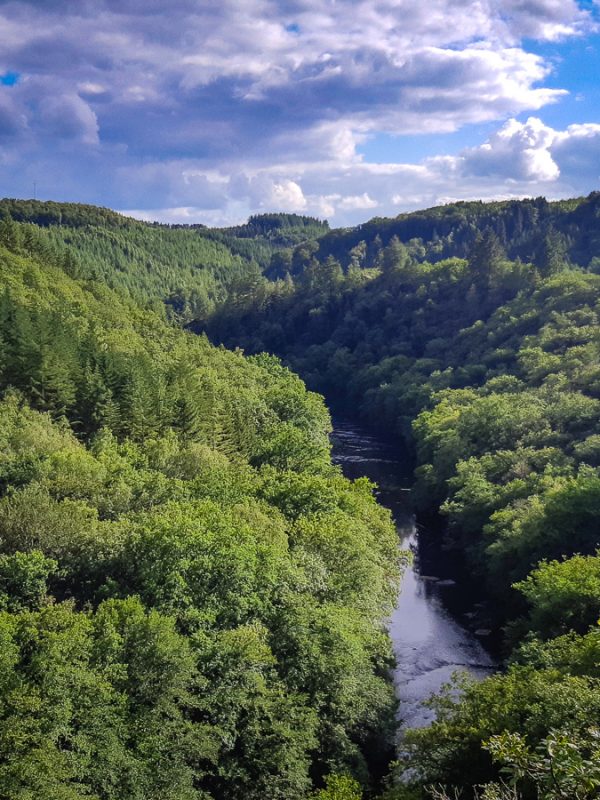
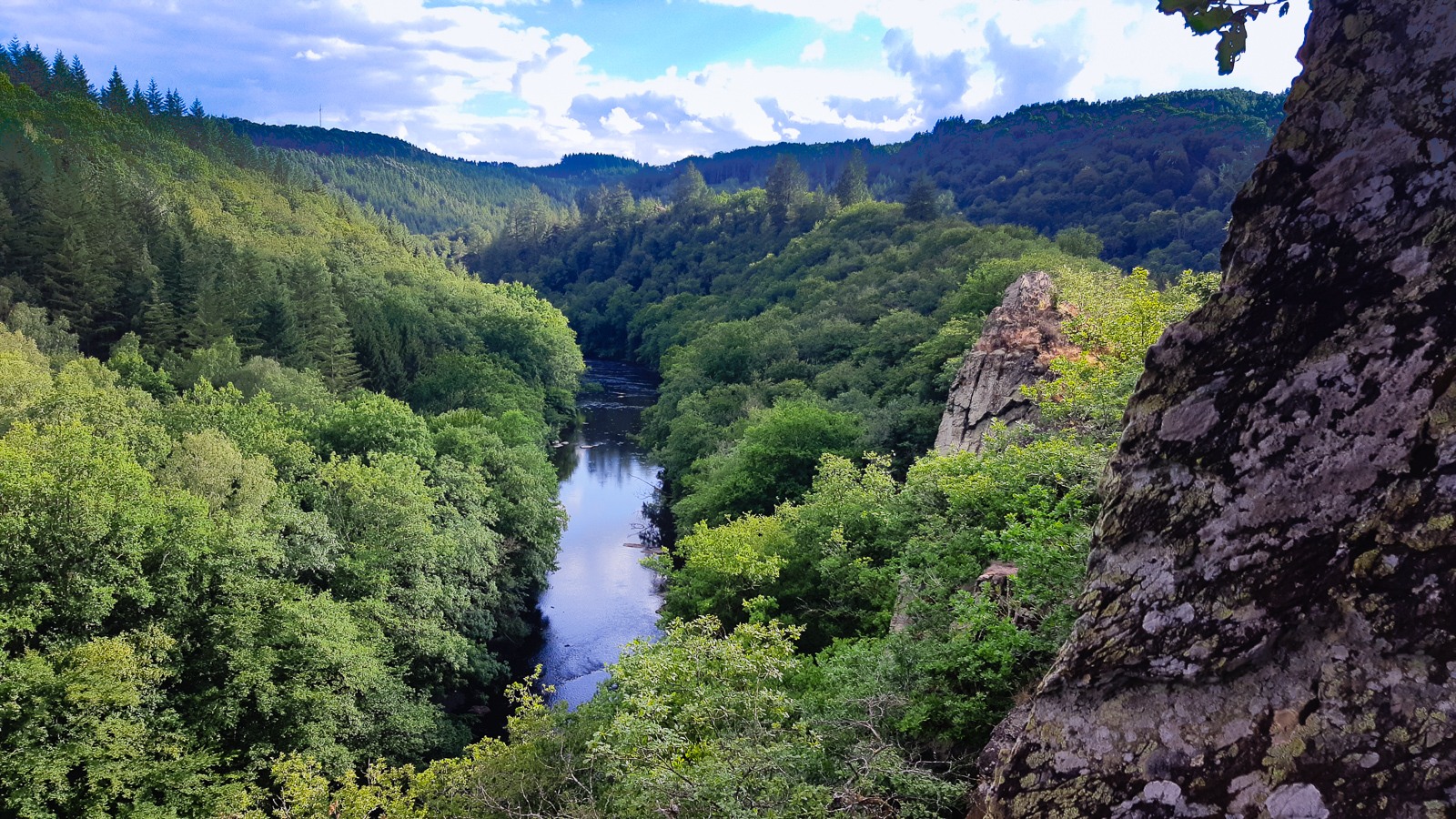
    The Ourthe seen from the Herou site

    Here, a path takes you along a long, winding, and at times steep ridge that sits between two meandering loops of the Ourthe river. At the several outcrops, deeply pleasing views of the river-valley below can be had.

    These views were balm to my soul and instrumental to my mental health this past summer. If nothing else good came of the pandemic, at least it encouraged me to explore natural Belgium. For that, I am grateful.

    As today is the 24th of December, I would like to wish everyone who has read this a very Merry Christmas and thank you for sharing in my slow-moving, narrow-gauge train of thought.

  • The meandering Semois River

    The meandering Semois River

    😀 I owe some appreciation for the country that has been good enough to have me as their guest for the past few years: Belgium.

    Until this year, Belgium had been more of a ‘base camp’ than a place where I spent my free time. This year changed that. Suddenly unable to travel ‘outside’, it became necessary to seek refuge from the everyday-routine domestically.

    I have long been lamenting the lack of mountains in Belgium. But, one cannot in good conscience hold a country accountable for its topography.

    This year, through a forced change of perspective, I have started to recognise Belgium for the many things it HAS —rather than grumble about the few things it HAS NOT.

    Or at least for the most part that is true.

    There are aspects to Belgium that have made me realise certain qualities that I took for granted while growing up in Norway. But, lest you mistake my intent, I hasten to point out that those qualities are attributable to nature rather than culture.

    Belgium is almost wholly ‘tamed’: every surface suitable for cultivation or construction has been farmed or built. What nature is left is the parts in between.

    Norway has less than half the population, more than twelve times the land area and consist, for the most part, of land that is too steep, too snowy, too cold, too rainy or too distant to be economically attractive.

    Consequently, in times of controlled movement, Norway offers more nature per inhabitant than Belgium. But that is not to the detriment of natural Belgium, nor the self-aggrandisement of Norwegians. In time, and much to my dismay, I am sure we will manage to subjugate most of our nature, too.

    However, to usher out an unusual year, I wish to celebrate Belgian nature each day until the new year’s bells chime.

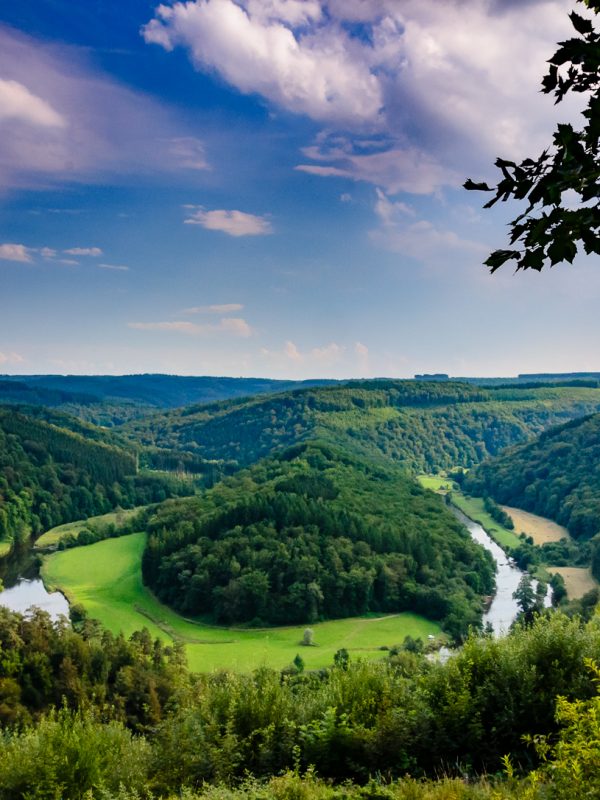
    Today, I go back to summer and two places on the Semois River: Tombeau de Geant, seen from Botassart, and Frahan, seen from Rochehaut.

    The walk from Botassart to Bouillon comes highly recommended and did much to revive my spirits this year.

    And why not kayak back down?

    Frahan seen from Rochehaut, Belgian Ardennes

  • Rain coming in at Bluff Beach

    Rain coming in at Bluff Beach

    I am one of those people who may be found in the shade at the back of the beach, complaining to everyone willing to listen about everything that others generally like about beaches.

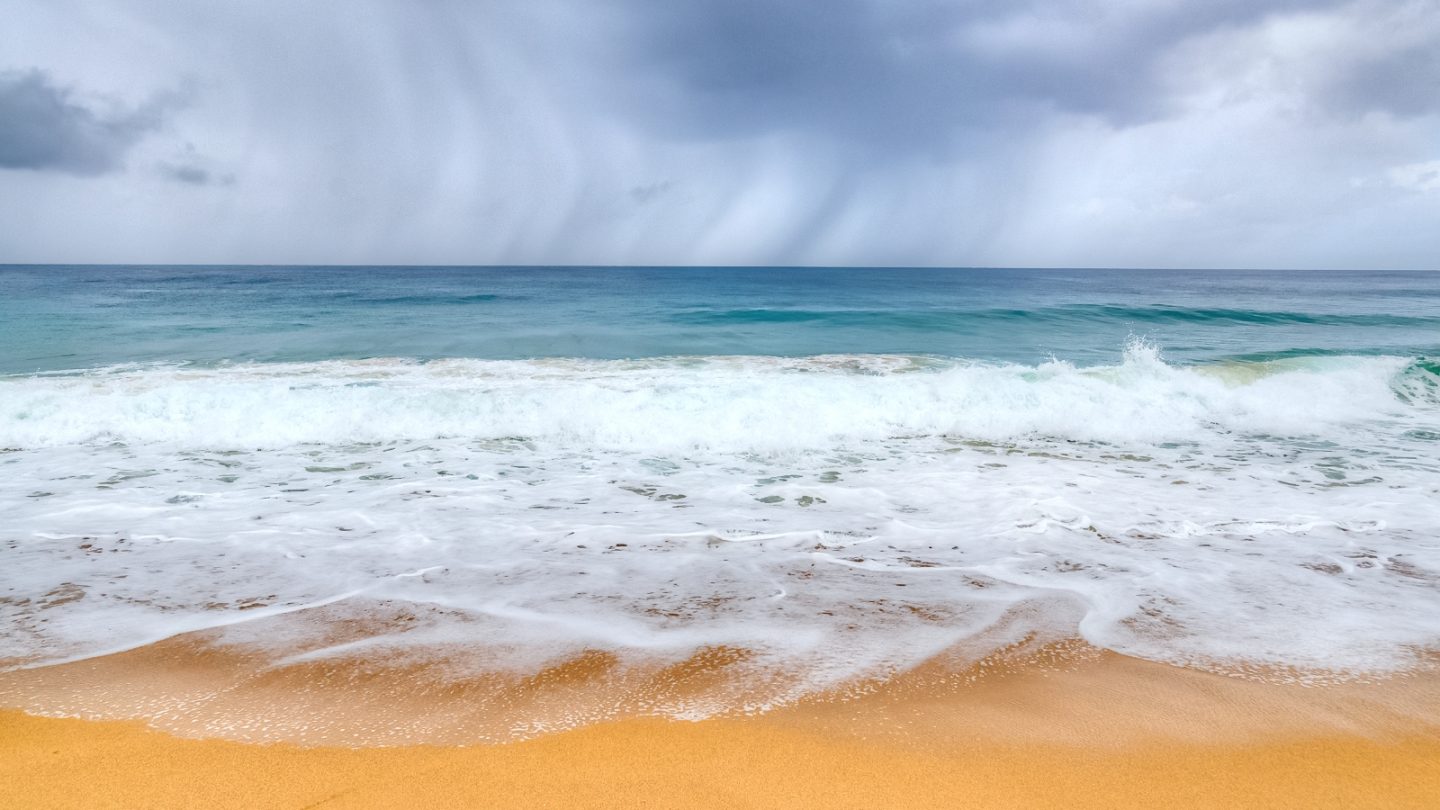
    Rain coming in at an uncommonly calm Bluff Beach, Bocas del Toro

    I burn at the slightest hint of sunlight; the accursed sun lotion gets in my eyes and stings like original sin; the sand that sticks to everything always finds its way into the house and from there invariably into my bed.

    However, on occasion, when mother nature offers up a helping of rain to wash clean the slate of the sunburned, overheated and sand-covered tourist, life can be good. Very very good.

    And unlike home in Norway, it can be enjoyed with the certainty that there will be sun again in an hour…

  • Near playa Mimitimbi, Bocas del Toro, Panama

    Near playa Mimitimbi, Bocas del Toro, Panama

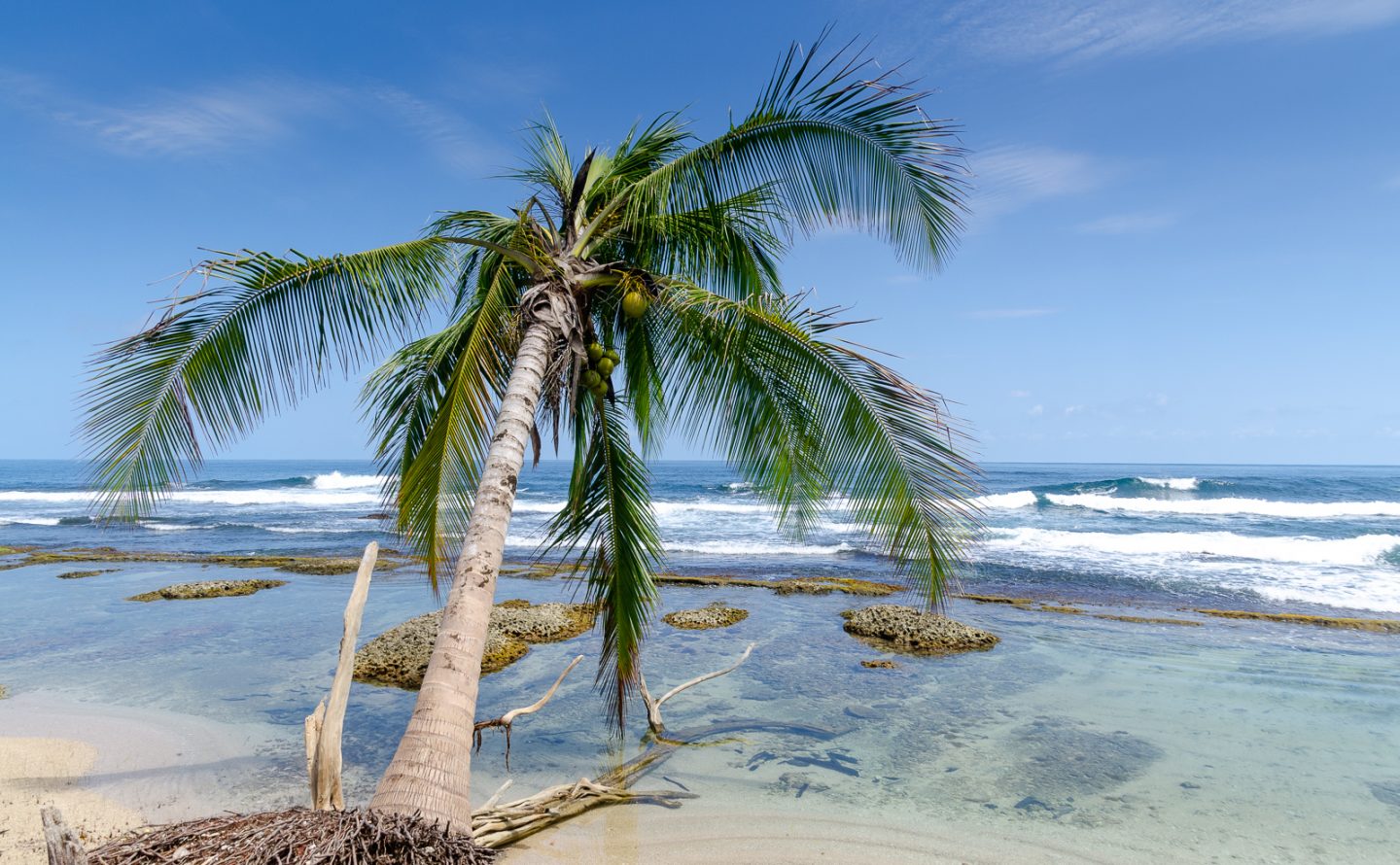
    A lonely palm tree, leaning into the Caribbean Sea

    Continuing a wee bit further along the rough but barely cyclable track from Bluff Beach we chanced upon this spot where a lonely palm tree begged to be photographed.